How Nurse Call Technology Can Improve Assisted Living Staffing

Staffing is one of the greatest challenges assisted living providers face today. With high turnover, burnout, and overstretched staff, many communities experience expensive hiring and reduced quality of care.

To address this concern, administrators are seeking ways to improve the day-to-day experience of caregivers and other staff in their communities. By making their lives easier, staff are more likely to last.

An often overlooked method to improve staff experience lies in the nurse call system. At first glance, nurse call simply alerts caregivers when a resident needs assistance. But its functionality and features can make or break the experience of staff who provide care in assisted living.


Functionality: The Most Essential Nurse Call Feature That Often Gets Missed

A faulty nurse call system leads to massive headaches. The network may have spotty coverage, leading to missed alerts and frustration. The system may rely on outdated technology, like corridor lights, pagers, and display screens that don’t show all the information that staff need. Sometimes, the system simply does not work as promised.

Replacing a broken system feels overwhelming. But the lack of basic functionality is costing communities by adding friction and reducing the effectiveness of staff efforts. Caregivers use the nurse call system every day. A frustrating experience compounds the stress of their work. 


Turn Basic Alarms Into Software That Equips Assisted Living Staff

Basic nurse call functionality is only the first step to ensuring this system is reaching its full potential. An advanced wireless nurse call system like QUANTUM™ allows assisted living communities to experience next-level features. For example, the mobile app is a key staff tool to modernize nurse call and make their lives easier.

This app goes far beyond a corridor light or pager. It delivers detailed alert information through an easy-to-use mobile interface. At a glance, staff can see resident location, notes on their environment or care, and whether or not someone is currently addressing the alert. A staff member who is able to respond will “claim” the alert, so teams can easily coordinate and reduce redundancies.
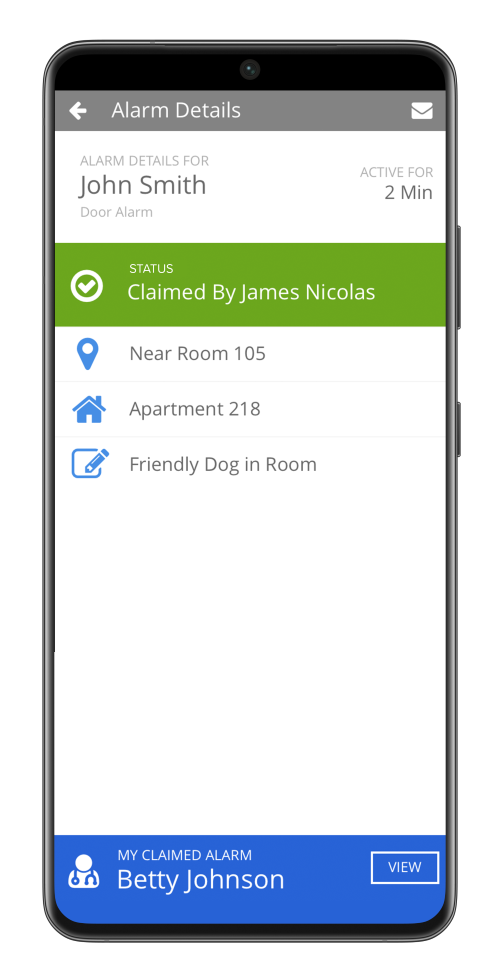
This makes the staff experience smoother, shortens response times, and ensures every call is answered. With customized alerting, QUANTUM™ sends notifications via the app, text, email, and more.

To further assist with coordination, the app has a built-in messaging feature. There is also an option to add resident photos to the alert interface. This helps new staff to identify residents.

The app interface is intuitive, so staff can easily use it without intense training or a steep learning curve. This is nurse call that goes above and beyond traditional alerting to make life easier for assisted living staff.


Track Care To Gain Visibility Into Increasing Resident Acuity and Staff Performance

What if communities could translate every alert into care data? That transforms decision-making, giving insight into increased resident acuity, staffing levels, and performance. With the QUANTUM™ Cares feature built into every nurse call system, communities can track care like never before. This improves the resident experience, shows opportunities for revenue, and celebrates high performing staff.

The Cares feature allows staff to quickly and easily note what each resident needed when they activated the nurse call. Over time, this data compounds to reveal patterns that affect everything from billing to staff levels.
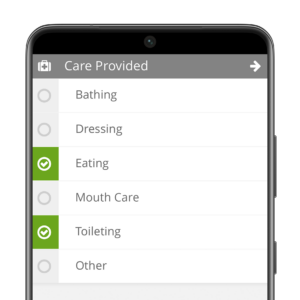
Half of a phone, showing the QUANTUM interface with cares listed: bathing, dressing, eating, mouth care, toileting, other

For example, Cares tracks call volume and staffing, providing visibility into how much coverage each shift really needs. This keeps staff from becoming overwhelmed during high call times and makes scheduling decisions clear.

When assisted living communities rely on the care plan to determine billing, tracking the level of care delivered is essential to unlock unseen revenue and expenses. This also equips staff to have conversations with family members about their loved one’s care, backed with real data for informed decisions.

Having accurate care plans and call volume visibility prevents staff from being overloaded. But improving staff experience is about more than just removing obstacles. It also means recognizing and rewarding the efforts that they are already making. With Cares, managers can view the highest performing staff members answering every call. Appreciation goes a long way in improving morale and keeping staff committed.

 

Ready to Transform the Experience of Your Assisted Living Staff?

JNL Technologies, Inc. is dedicated to creating reliable, easy-to-use technology. QUANTUM™ by JNL is founded and designed by senior living workers, for senior living workers. Not content with basic nurse call, this team is always seeking new innovations while maintaining reliable functionality.

Explore how a better nurse call system can elevate the experience of your assisted living staff. Schedule a call with a QUANTUM™ expert today!
Continue reading


Discover QUANTUM™ At The Argentum Senior Living Executive Conference

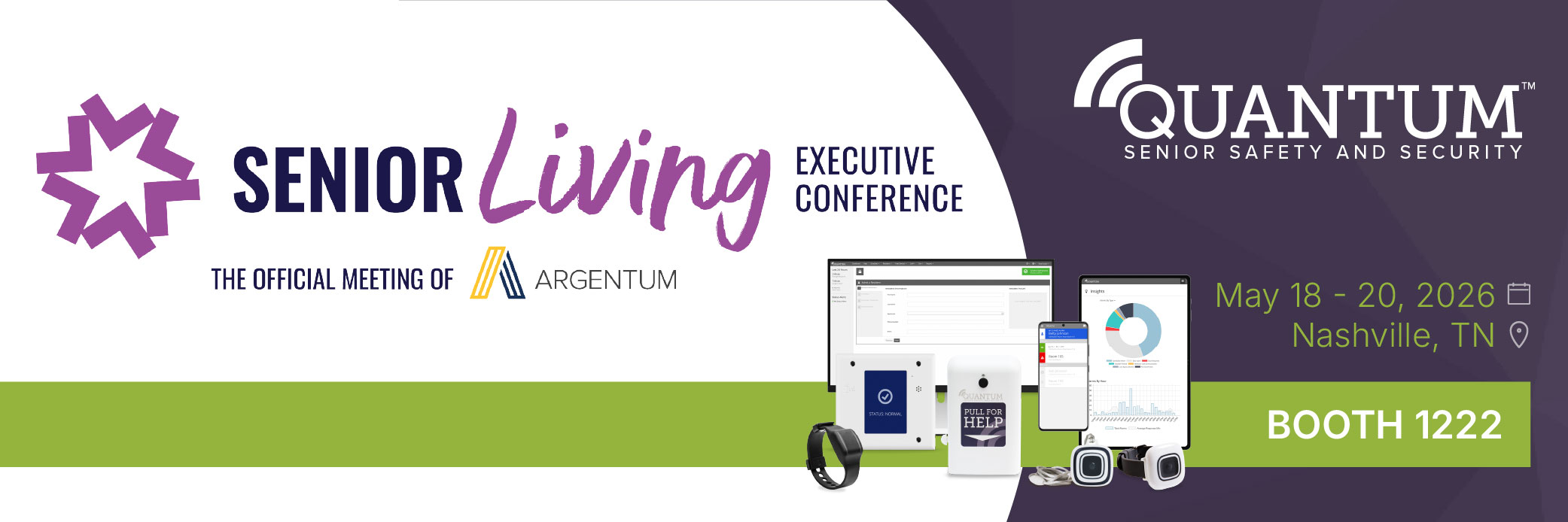
Connect with JNL Technologies, Inc. at the upcoming Argentum Senior Living Executive Conference!

This conference brings together leaders in the senior living industry from around the country to discover new innovations, make connections, and enhance resident care. 

The JNL team looks forward to showcasing the QUANTUM™ system, a unifying platform that brings together nurse call, fall detection, wander management, and access control with data-driven analytics and easy-to-use software.

Don’t miss this opportunity – join us in Nashville!


Details

  • Booth 1222
  • May 18 – 20, 2026
  • Nashville, TN

Continue reading


JNL Technologies, Inc. Welcomes Brian Vitense as New National Sales Director

IXONIA, W.I., December 1, 2025 — JNL Technologies, Inc. (JNL) is pleased to announce the hiring of industry veteran Brian Vitense as National Sales Director. With over 25 years of experience in the senior living technology market, Vitense brings a relationship-driven approach and extensive industry expertise to JNL as it enters a new phase of growth.
JNL is the creator of the QUANTUM™ system, which ties nurse call, fall detection, wander management, and access control into one reliable platform. Since 2007, JNL has built a dedicated team that always believes in the “residents first” mindset.

Vitense embodies this philosophy, shaping strategic partnerships that align customer needs with innovative solutions.

“The opportunity to contribute to meaningful change in an industry that supports aging adults and their families is something I truly value,” Vitense said. “I’m also energized by the culture of forward thinking at JNL, where new ideas are encouraged, and the mission is always aligned with making a real difference.”

(more…)

Continue reading


Fall Prevention in Senior Living: A Holistic Approach

The Impact

Over one in four older adults fall each year, leading to 36,000 deaths, three million emergency department visits, and one million hospital stays in America alone.1

Many people who fall, even if they’re not injured, become afraid of falling. This fear may cause a person to cut down on their everyday activities. When a person is less active, they become weaker, increasing their chances of falling. If they have fallen before, their chance of falling again doubles.2

So, not only does falling cause injury, fatalities, and high medical costs, it impacts all areas of wellbeing. It is essential for senior living communities to take steps to prevent falls and protect their residents.

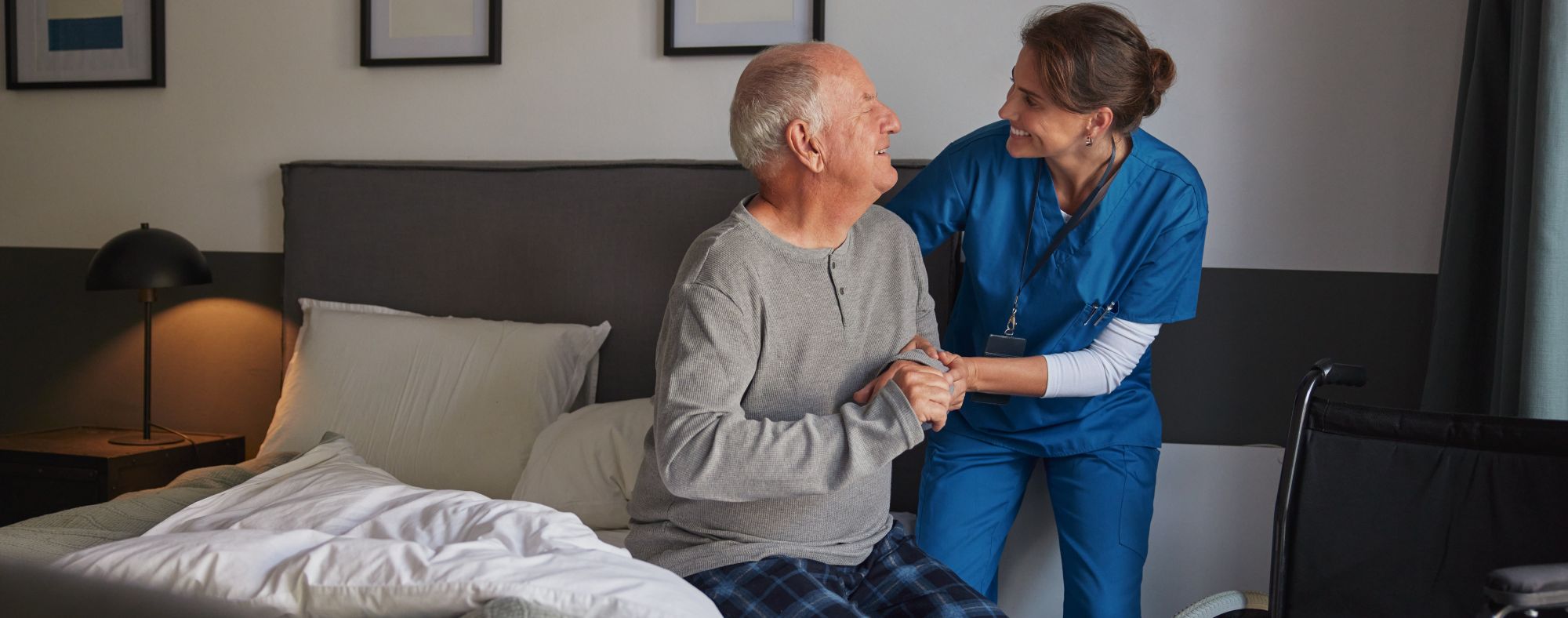
A senior man is sitting in bed and smiling at a caregiver, who is smiling back and helping him up.

Prevent

Prevention is possible. The best approach is holistic: combining strategies that address the environmental, behavioral, and biological risks. These can include safety features like automatic lighting and handrails, exercise programs to improve physical strength, and addressing medical and physical health.


Step One: Assess

The first step is assessing and addressing the risk factors unique to each resident. One way to do this is to use a risk survey. For example, this online quiz from the National Council On Aging quickly and clearly outlines whether an individual is high or low risk, allowing communities to identify individuals who need further support.


Step Two: Environmental

Next, address the physical environment to remove risks and provide support systems. Clear living areas of hazards and ensure safety equipment such as railings, grab bars, and slip-resistant surfaces are installed. Make sure there is adequate lighting in living spaces and community areas. Automatic lighting solutions can sense when a resident is active and turn the lights on to provide immediate visibility.


Step Three: Behavioral

One of the most impactful fall prevention strategies is to build strength and balance. Provide an exercise program with a focus on fall prevention. When residents maintain and grow their mobility, they are less likely to fall. Take a look at the CDC’s “Guide to Implementing Effective Community-Based Fall Prevention Programs” to learn more about how to implement one of these programs.


Step Four: Biological

Finally, check residents for vision, foot, and overall health. Ensure that eye prescriptions are up to date so that a resident can clearly see their surroundings and navigate spaces. With age also often comes loss of feeling in feet, which can contribute to the danger of falling. Ensure residents are wearing proper footwear to support.

Medications and Vitamin D intake can affect fall risk as well. Some medicines or medicine combinations can cause drowsiness, dizziness, and increased fall risk. On the other hand, taking Vitamin D supplements has been shown to decrease falls by 38%.3 Encourage residents to talk to their physician about medication effects and to consider taking Vitamin D supplements.

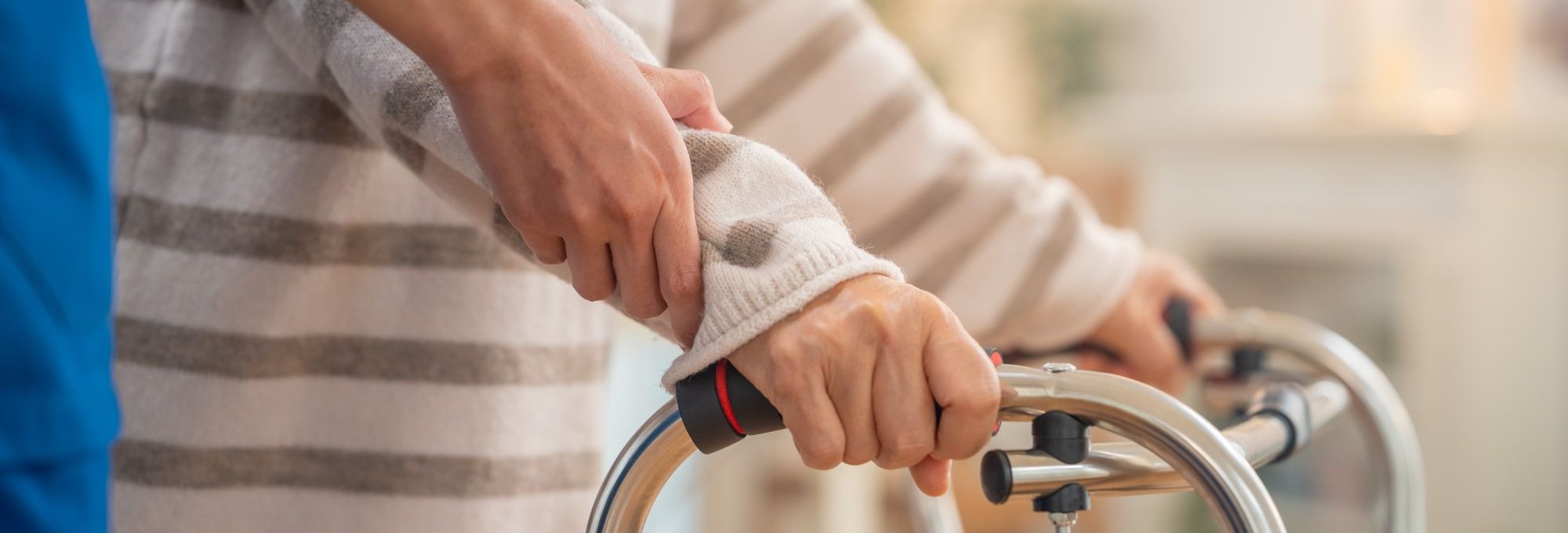
A caregiver holds and guides a senior's wrist as the senior uses a walker.

Protect

Prevention efforts are essential to reduce the number of falls that residents experience. However, it is even more crucial to have a safety net in place for residents who do fall.

Many older adults are unable to get back up after a fall, whether from an injury or a lack of mobility. This can result in a “long lie”, when a person is left on the ground for an hour or more after a fall. These long lies can cause increased injuries, fatalities, and psychological damage.

The first step to address this danger is to once again to identify high-risk residents. When you are aware of who is at risk, you can then equip them with strategies to protect and safeguard against the worst case scenarios.

Educate residents on how to get back up after a fall in cases when they are uninjured. The AARP has provided a guide of step-by-step techniques that can help seniors navigate the aftermath of a fall safely.

Then, invest in fall detection technology. This ensures that falls will not go unnoticed. Instead, caregivers will be immediately alerted in the event of a fall and can respond right away. Not only can this prevent long lies and all the damage associated with them, but they can also catch the falls that go unreported, which can help to identify residents that may be at risk of a worse fall in the future.


Fall Detection

The QUANTUM™ Fall Detection solution consists of pendants that tie into a nurse call system. When the pendant senses that its wearer has fallen, it sends a special alert to caregivers, making sure help is on the way.

Other solutions may use sensors or cameras to detect falls. While this can prove effective, many residents are uncomfortable with a camera in their homes, and prefer to protect their privacy. In addition to this, a camera is only able to catch falls within its view. With the fall detection pendant, a resident can continue living independently throughout their community and stay protected in every room they enter.

Facilities are encouraged to explore their options and find technology that best supports their residents. Learn more about the QUANTUM™ solution here.

A study looked at the effects of fall detection on a resident’s fear of falling and found that they reported feeling more confident, independent, and safer.4 So not only does this technology protect residents in the worst case scenario, it also helps high-risk seniors to maintain their lifestyles and enjoy their communities without fear.

“1 CDC. “Facts about Falls.” Older Adult Fall Prevention, 9 May 2024, ww.cdc.gov/falls/data-research/facts-stats/?CDC_AAref_Val=www.cdc.gov/falls/facts.html.

2 Bloch, Frédéric. “Critical Falls: Why Remaining on the Ground after a Fall Can Be Dangerous, Whatever the Fall.” Journal of the American Geriatrics Society, vol. 60, no. 7, July 2012, pp. 1375–1376, https://doi.org/10.1111/j.1532-5415.2012.04017.x.

3 Gallagher, et al. “Active Vitamin D (Calcitriol) as a Falls Intervention.” 2007.

4 Brownsell, S. and Hawley, M. “Automatic fall detectors and the fear of falling.” Journal of Telemedicine and Telecare, 2004, 10 (5). pp. 262-267. 

Continue reading


What is a “Long Lie”? Discover The Risk That Threatens Older Adults And How To Prevent It

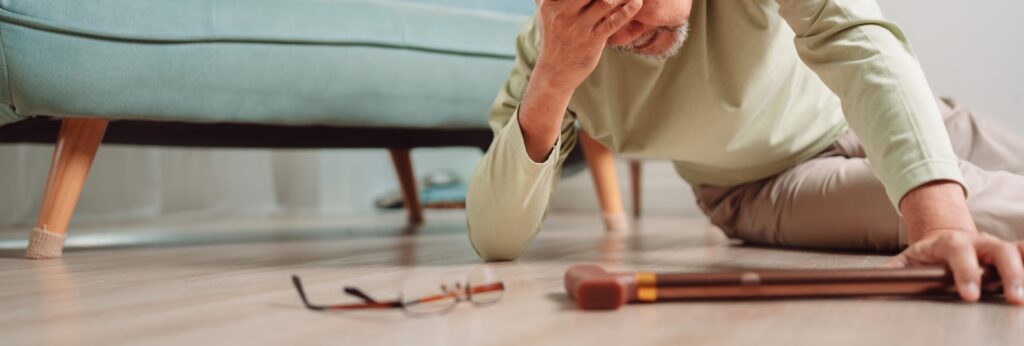
A man lies on the ground with his head in his hand.

The leading cause of death from injury: falls.1

Not only that, but if a senior falls and is unable to get back up for a long period of time, their risk of death doubles.2

Lying on the ground for an extended period of time after a fall is called a “long lie”. One study found that 15% of falls resulted in the person lying on the ground for an hour or longer.3 These long lies can cause serious damage, including dehydration, infections, pressure sores, sepsis, and more.4

In addition to this, the psychological effects can be profound and long-lasting.

Just imagine what it must be like to lie on the floor after a fall, unable to get help.

For many seniors, this results in a fear of falling that can have the opposite effect – causing them to self-isolate, limit their mobility, and thereby increase their fall risk.5

Preventing falls is the first step to take in order to address these issues. Many falls are preventable with proper safety measures. But for the falls that do happen, it is critical for seniors to get help right away.

Facilities often have help buttons and pull cords installed in order to alert caregivers. While this is an essential safety measure, some older adults do not use them when they have the chance. One study showed that 97% of those who experienced a long lie did not activate their call alarm system.3

That is where fall detection comes in.

Technological advancements have made it possible to detect falls right when they happen, alerting caregivers and getting seniors back on their feet.

A good fall detection device needs to strike a balance: too sensitive, and it will release a flurry of false alarms, overwhelming caregivers and causing them to lose trust in the system. If it’s not sensitive enough, it may miss a critical fall.

To address this, the QUANTUM™ Fall Detection pendant is designed with a 30-second verification period, minimizing false alarms while still catching the real ones. The pendant also has a standard help button, so seniors can call for help in addition to the automatic alert.

Together with easy-to-use nurse call software, the QUANTUM™ system ensures that senior living communities have the tools they need to improve safety and reduce risks. 


Some features may be contingent on licensing or subscription. QUANTUM™ systems may require a server upgrade to support new functionality. Residents should be instructed to always push the activation button on their call button to request assistance when they are able to do so, even if fall detection is enabled. The automatic fall detection feature is an enhancement to basic functionality and does not detect 100% of falls.


[1] “WISQARS Fatal and Nonfatal Injury Infographics.” Centers for Disease Control and Prevention, wisqars.cdc.gov/infographics/

[2] Bloch, Frédéric. “Critical Falls: Why Remaining on the Ground after a Fall Can Be Dangerous, Whatever the Fall.” Journal of the American Geriatrics Society, vol. 60, no. 7, July 2012, pp. 1375–1376, https://doi.org/10.1111/j.1532-5415.2012.04017.x.

[3] Fleming, Jane, and Carol Brayne. “Inability to Get up after Falling, Subsequent Time on Floor, and Summoning Help: Prospective Cohort Study in People over 90.” The BMJ, vol. 337, no. 7681, 17 Nov. 2008, https://doi.org/10.1136/bmj.a2227

[4] Kubitza, Jenny, et al. “Concept of the Term Long Lie: A Scoping Review.” European Review of Aging and Physical Activity, vol. 20, no. 1, 29 Aug. 2023, https://doi.org/10.1186/s11556-023-00326-3.

[5] World Health Organization. WHo Global Report on Falls Prevention in Older Age. 2007.

Continue reading